Call us 01482 738027

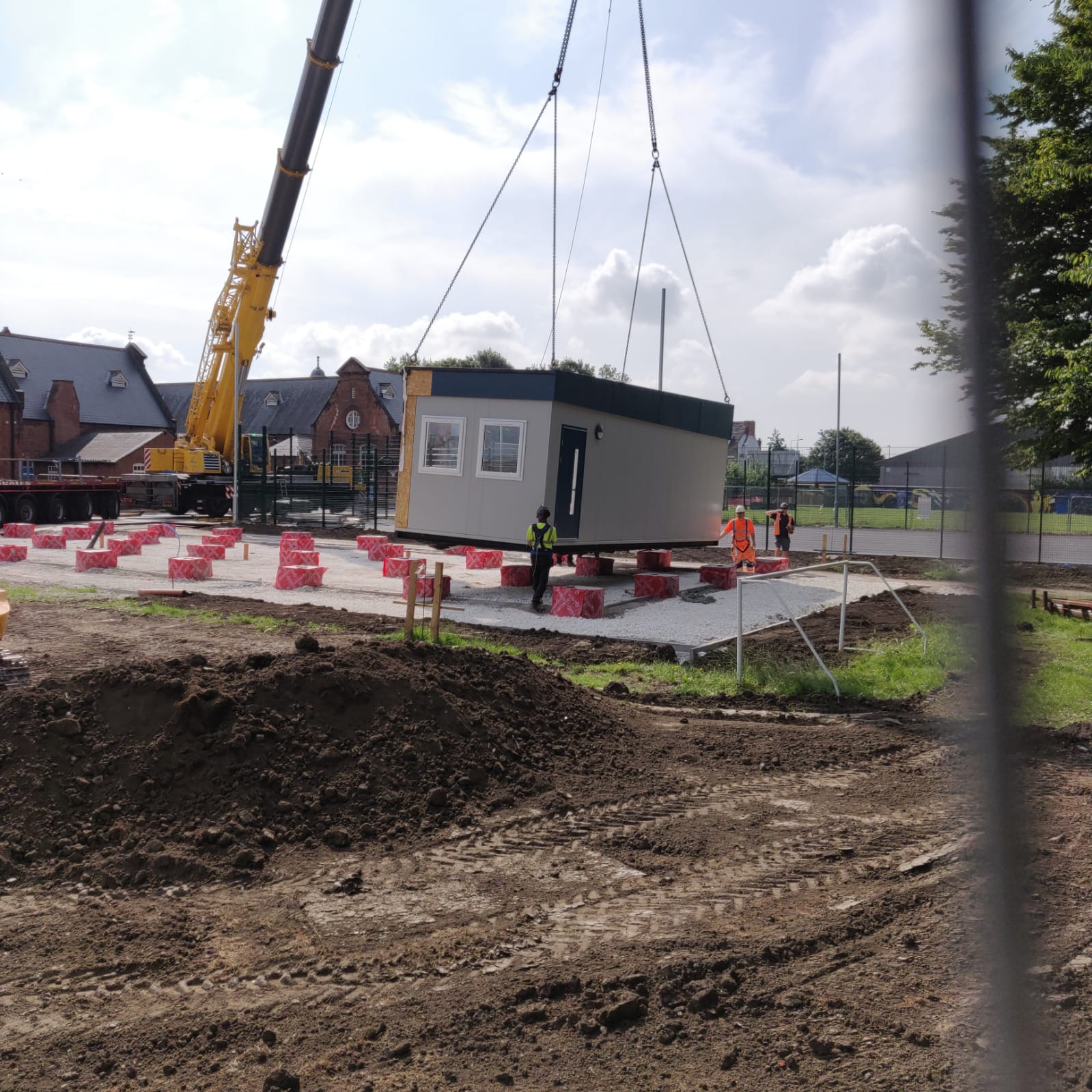
If your business, school or organisation needs more space, a portable or modular building can be a quicker option than a traditional build. Because most of the work is done off-site, you can prepare the site without the building in the way.
But just because a building is manufactured off-site, it doesn't mean it is automatically exempt from Building Regulations.
Whether you are looking at portable cabins for a short-term project or modular buildings for a long-term solution, it is important to understand what rules could apply before your building arrives on site.
Building regulations differ across the UK, so the exact requirements will depend on where your building is being installed. This guide provides a general overview, with a focus on the considerations that commonly apply in England.
In most cases, portable and modular buildings require Building Regulations approval when they are intended for permanent or semi-permanent use. If a structure is going to remain on a site and be occupied regularly, it will generally need to meet the same standards as a traditional building. This includes requirements relating to structural stability, fire safety, ventilation, energy efficiency and other aspects of health and safety.
The need for approval can also depend on factors such as the building’s size, how it is used and whether it is connected to services such as water, electricity or mains drainage.
There are some circumstances where Building Regulations requirements may not apply in full. Generally, temporary buildings used for a short period may benefit from specific exemptions, while certain small, detached structures can also fall within limited exemptions depending on their size, construction and intended use.
However, an exemption from one requirement does not necessarily mean the entire building is exempt from Building Regulations, and other safety requirements may still apply.
It is important to check with your local Building Control department before installing a portable or modular building. This applies even if the unit is second-hand or has previously been used at another site, as its new location, purpose and connection to services may affect whether approval is required.
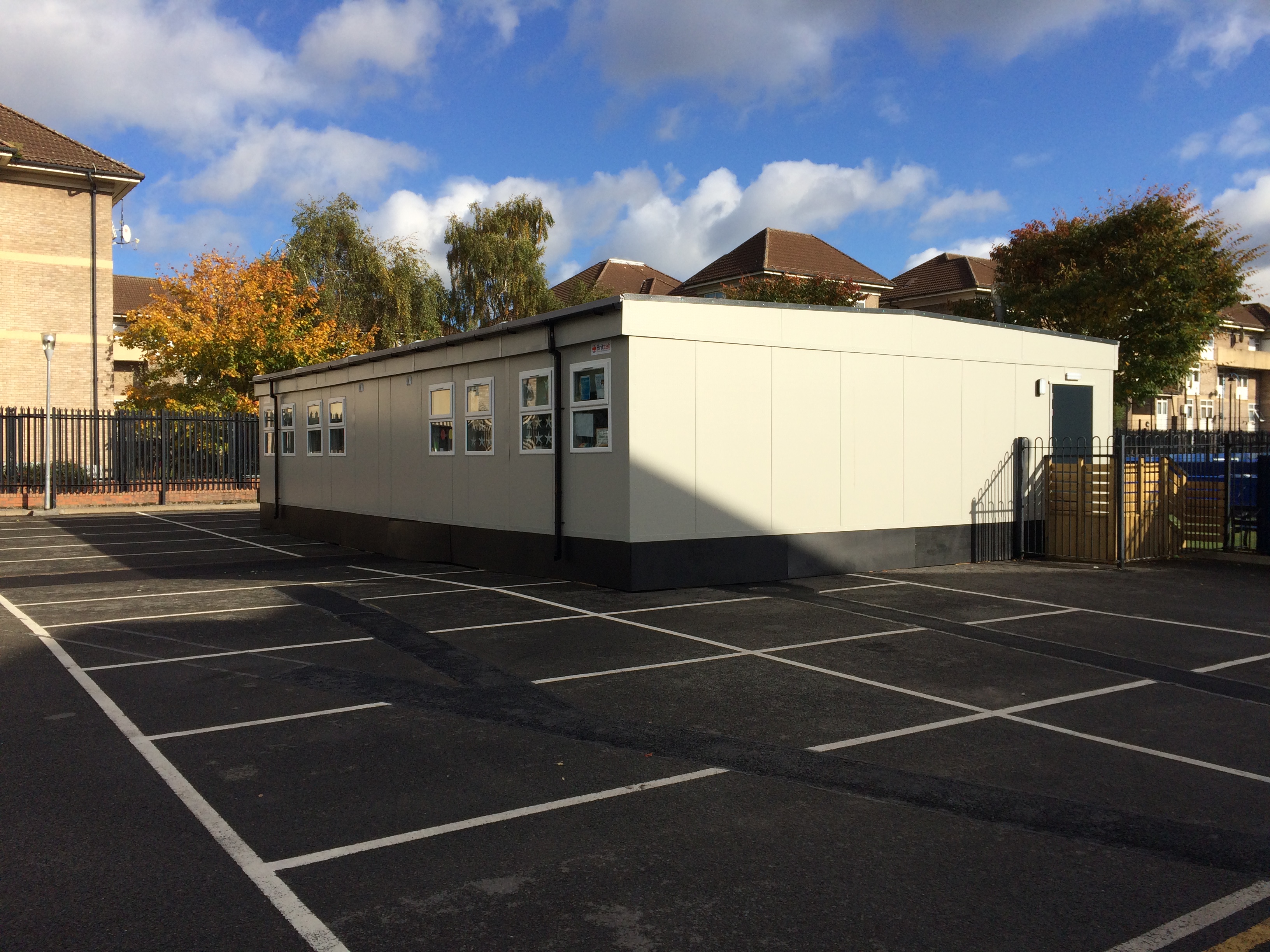
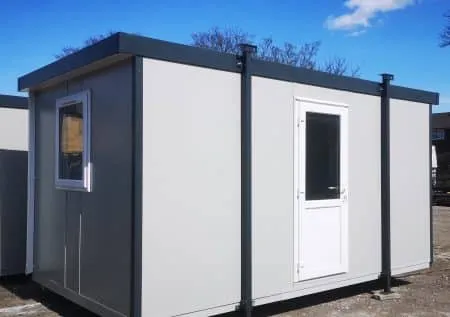
Portable cabins used for business purposes may require planning permission, particularly if they remain on-site for more than 28 days. Although these buildings can be moved, planning rules generally consider factors such as how long the cabin is in place, its size and how it is being used.
Temporary site offices or welfare facilities for short-term construction projects may benefit from specific exemptions, but a permanent office, commercial workspace or larger cabin is more likely to require planning approval. As planning requirements can vary depending on the site and proposed use, it is always best to check with your local planning authority before installing a business cabin.
Several parts of the Building Regulations may apply to modular buildings.
These include:
Part A for structural safety.
Part B for fire safety
Part F for ventilation
Part G for sanitation and water efficiency
Part H for drainage
Part L for energy efficiency
Part M for access to and use of buildings
You don’t need to be an expert in building regulations. Your designer, supplier and Building Control can help you understand which requirements apply to your building.
The way the building is supported on site is very important. Floors, walls, roof construction and module connections all need to be suitable for the building and its location.
Foundations and the support system are also important. Ground conditions can vary significantly from one site to another, so installation requirements must be considered as part of the overall project.
For larger or more complicated projects, ask your supplier what structural information they can give you and how they will work with Building Control and other professionals involved in the project.
Fire safety requirements depend on the type of building and how it will be used.
Approved Document B covers areas such as escape routes, fire resistance, fire detection and limiting the spread of fire. A classroom or a busy office, for example, is likely to have different requirements than a smaller site welfare cabin.
It is a lot easier to deal with fire safety in the design stage than to realise later down the line that something needs changing.
Ventilation is very important in modular buildings that will be occupied for long periods of time. Part F covers ventilation and indoor air quality, with requirements varying by building and use.
Energy efficiency is also a key consideration, particularly for modular buildings intended to remain on site for longer periods.
Accessibility needs to be considered along with the rest of the building's design, especially when the building will be used by staff, pupils, customers or members of the public.
Part M covers access to and use of buildings. For portable buildings, this can be particularly important because many units are raised above ground level. Access routes, ramps, entrances and thresholds may all need to be considered as part of the design.
Planning these details before manufacture can help ensure the finished building is practical and accessible.
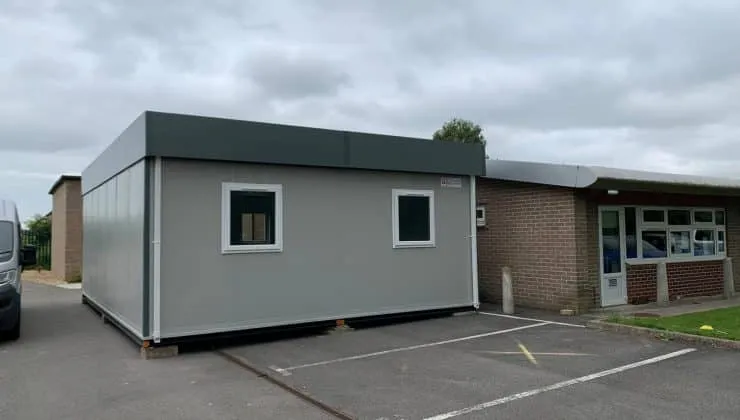
When comparing modular buildings, compliance is just one part of the decision. You'll also need to look at the layout, specification, installation requirements, timescale and overall cost.
A good supplier should be able to explain the specification of the building and provide relevant information about compliance where Building Regulations approval is required.
At Excel Modular, we provide solutions for a wide range of projects, from temporary accommodation and site facilities to longer-term modular developments.
You can explore our range of portable cabins to find a solution for your requirements.
For larger or longer-term projects, our modular buildings can be designed around the needs of your site and intended use.
It's much easier to deal with planning and Building Regulations before a building is manufactured and delivered than after it's on site.
Before placing an order, consider how the building will be used, how long it will stay on site, where it will be positioned and what services it will need. This will help establish what approvals and technical requirements apply.
Whether you're looking for portable cabins for a short-term project or modular buildings for a permanent solution, researching early and getting the right advice can make the whole process much simpler.
And if you're currently looking at modular buildings for sale, speak to Excel Modular about your requirements and find out how we can help you find the right solution for your site.