Call us 01482 738027

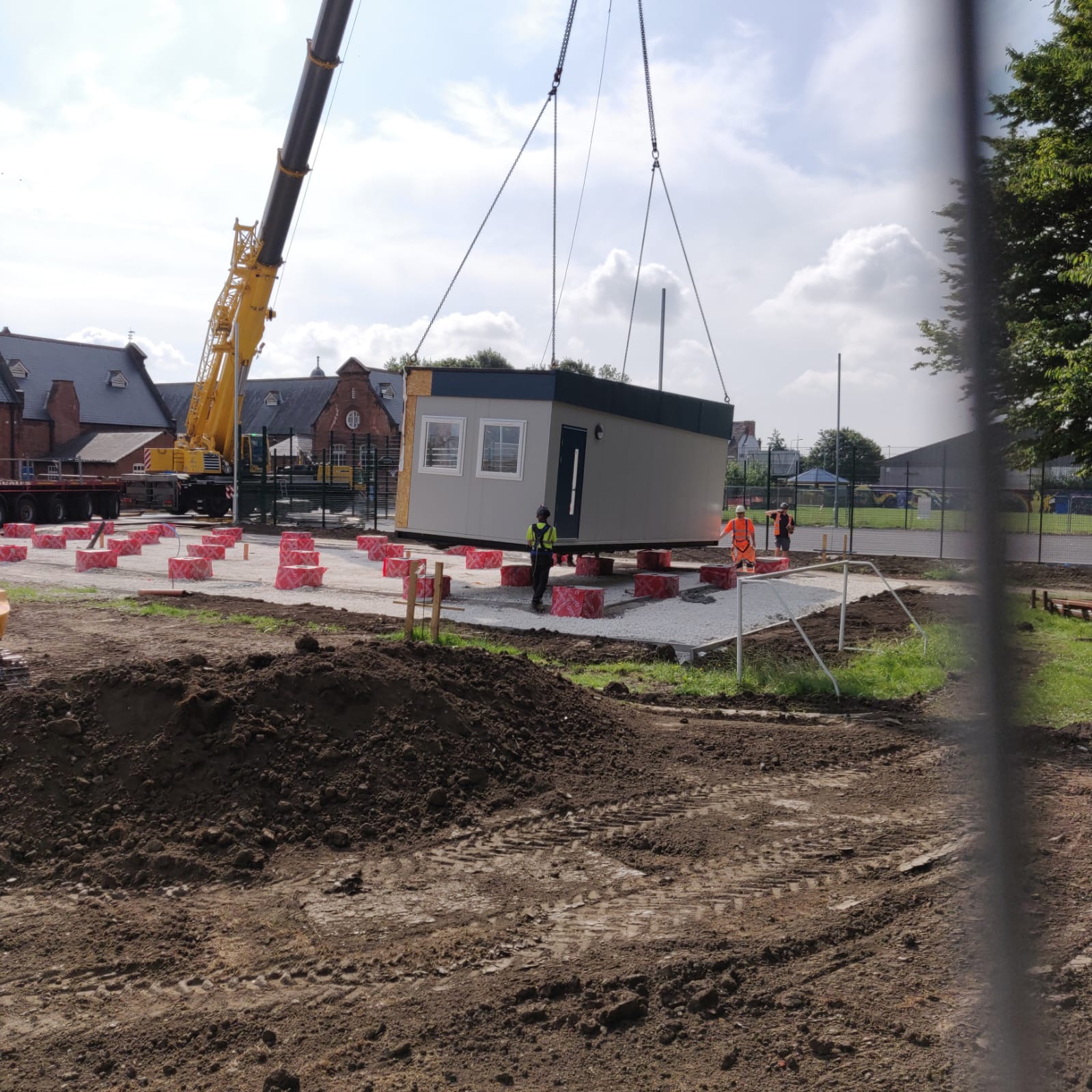
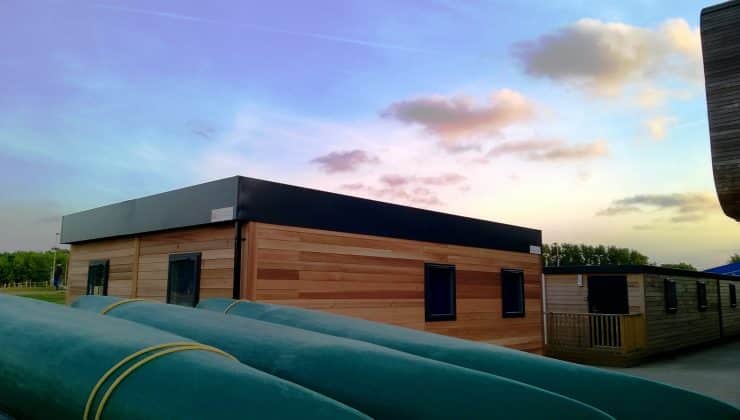
When investing in additional space for your business, school or organisation, it is natural to ask how long your building will last. Modern modular buildings can provide reliable, long-term accommodation, lasting 60 years or more with proper maintenance.
At Excel Modular, the quality of the materials, construction, and installation all contribute to a building's longevity. With the right care, these buildings can last for many years.
So, what can you do to keep your building in good condition and maximise its lifespan?
Many people mistakenly think modular buildings are only suitable for temporary use. In reality, modern modular construction can provide a durable solution for both temporary and permanent accommodation.
A building's lifespan depends on several factors, including its original specification, materials, installation, location, and ongoing maintenance. Exposure to severe weather, heavy use and a lack of routine care can all contribute to deterioration over time.
Depending on the specification, features such as robust external finishes, insulation, and double-glazed windows can help provide a comfortable, long-lasting building.
Regular inspections and prompt repairs are key to maintaining the building's condition and preventing minor problems from developing into larger ones.

Your building's exterior is exposed to the elements year-round, so it should be checked regularly. Rain, wind, frost and sunlight can all cause wear over time.
Inspect the external walls, cladding, roof, windows, doors and seals for visible signs of damage. Look for cracks, corrosion, loose fittings or areas where water could potentially enter.
The roof and drainage systems also deserve particular attention. Keep gutters and downpipes clear of leaves and debris so that rainwater can drain away properly. After periods of heavy rain or strong winds, check for obvious roof damage, pooling water or deteriorating seals.
External finishes are generally designed to be durable and low maintenance, but keeping them clean and addressing damage promptly will help maintain their appearance and performance.
Windows and doors are often among the most frequently used parts of a modular building, particularly in offices, schools and other busy environments.
Check that doors open, close and lock correctly and that windows operate smoothly. Damaged seals can let draughts or moisture into the building, affecting both comfort and energy efficiency.
Keeping frames, hinges and other fittings clean can also help prevent dirt and debris from affecting their operation. If you notice a damaged component, arrange to have it repaired or replaced rather than letting the problem worsen.
Maintenance should not stop at the exterior. Floors, walls, ceilings, heating, ventilation and electrical systems should all be included in your regular building checks.
High-traffic areas may wear out faster, so repair damaged flooring or wall finishes as needed. Keeping the interior clean will also help maintain surface condition and create a more comfortable environment for occupants.
Heating and ventilation systems should be serviced appropriately to ensure they continue to operate properly. Electrical systems should only be inspected or repaired by suitably qualified professionals, with regular testing helping to identify potential issues.
A consistent approach to internal maintenance can help keep the building safe, functional and suitable for everyday use.
If you are considering used modular buildings, maintenance is particularly important. A pre-owned building can provide a cost-effective way to create additional space, but its previous use and condition should be considered before purchase.
At Excel Modular, we inspect and refurbish pre-owned units before supplying them. Depending on the condition and requirements, refurbishment can include repairs, cleaning, painting, flooring and electrical testing.
Once installed, regular inspections remain important. Check the building's exterior, roof, windows and internal finishes and keep a record of any repairs or servicing that is carried out. This can help you identify recurring issues and plan future maintenance.
If you are looking at modular buildings for sale, consider future maintenance alongside the initial cost.
Ask about the materials used, the building's age and condition, and whether any refurbishment has been completed. For a new building, durable external finishes and robust internal materials can help reduce the amount of maintenance required over time.
It is also worth considering the building's intended use. A unit that will accommodate a large number of people every day may require more frequent attention than one used occasionally.
Choosing a suitable specification from the outset can make ongoing maintenance easier and help you get more value from the building over its lifespan.
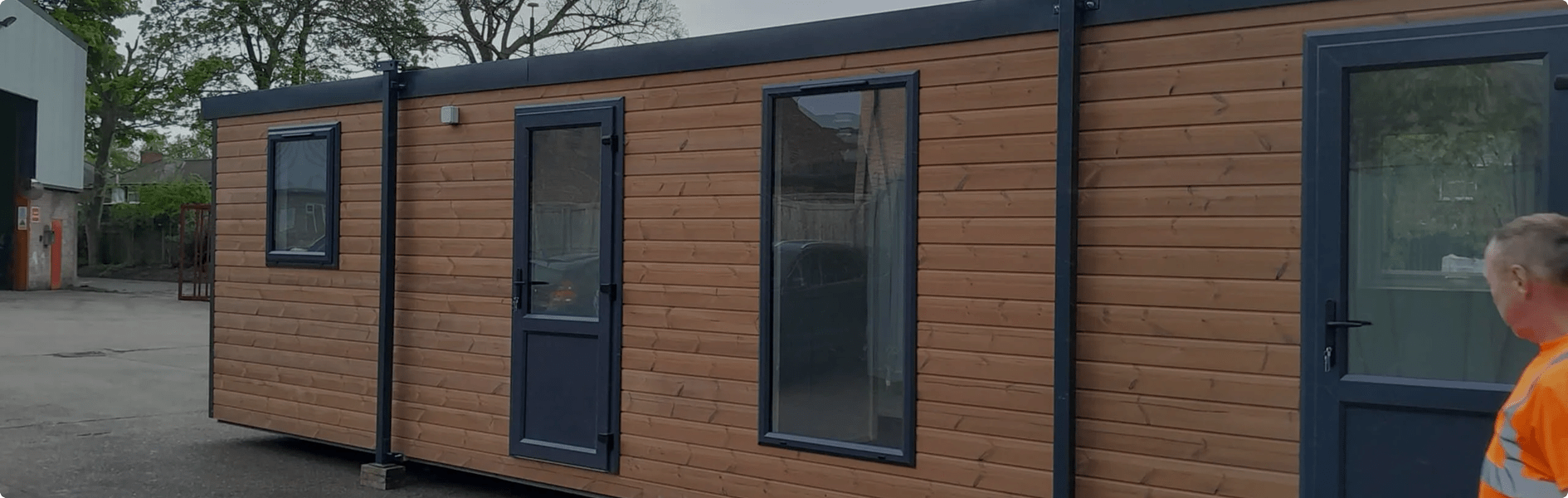
A regular maintenance schedule makes it easier to identify problems before they become more serious. The frequency of checks will depend on the building and how it is used, but a simple schedule could include:
Monthly: Check doors, windows, visible damage and drainage areas.
Seasonally: Clear gutters and inspect external finishes, seals and the roof.
Regularly: Service heating, ventilation and other building systems as required.
After severe weather: Check for roof, cladding or water damage.
Ongoing: Record repairs, inspections and professional servicing.
Keeping maintenance records is particularly useful if you own used modular buildings, as it provides a clear history of work carried out and can help with future repairs or refurbishment.
With consistent care and timely repairs, a modular building can remain a practical and comfortable space for many years.
If you are considering modular buildings for sale or would like advice on maintaining an existing building, Excel Modular can help. With more than 40 years of industry experience, the team provides bespoke buildings, refurbished options and turnkey solutions to suit a range of requirements.
Contact us for more information about our modular buildings, available stock and how we can help with your requirements.